

Finding Your Perfect Wedding Photographer: A Complete Guide
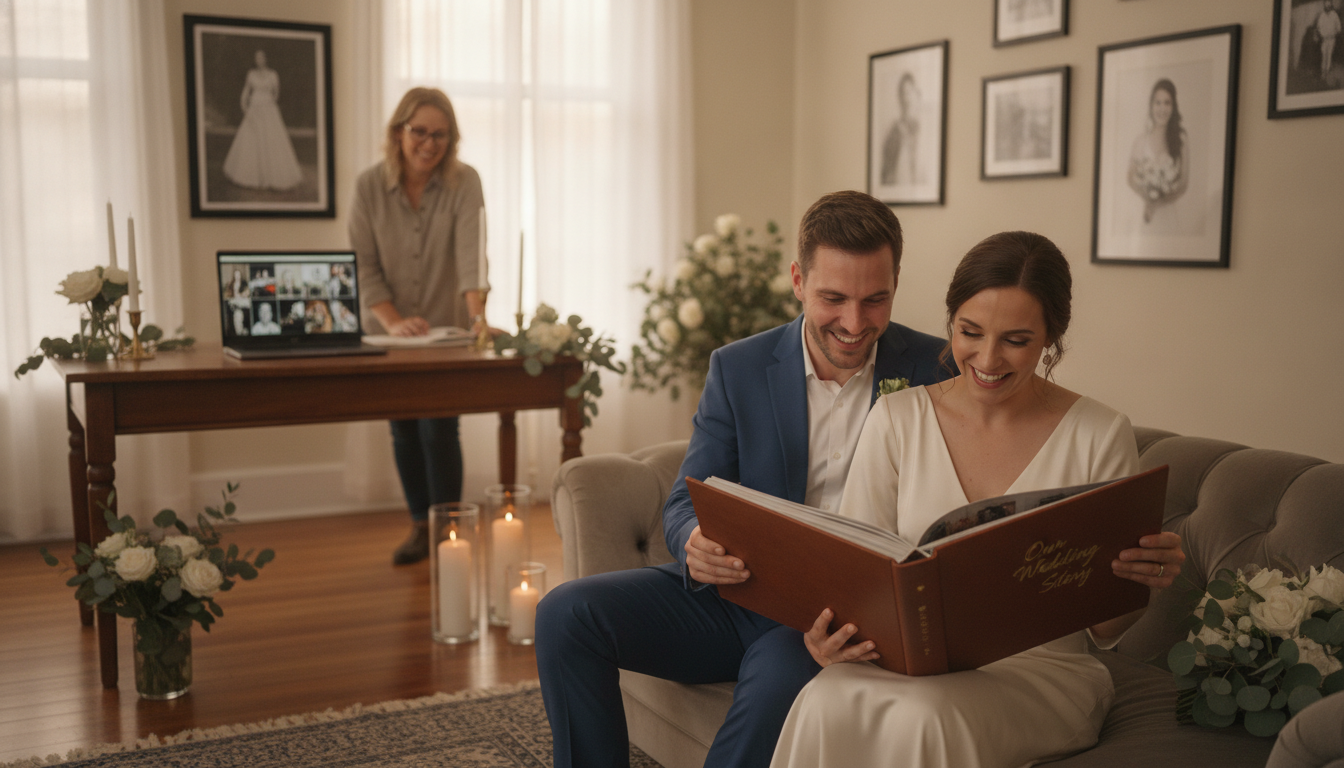
After the final dance, when the cake has been eaten and the guests have gone home, your wedding photos will be the most vivid, tangible reminder of your special day. They are more than just pictures; they are heirlooms, a visual narrative of the love, laughter, and emotion that defined the start of your new life together. Choosing the right person to capture these moments is one of the most significant decisions you'll make in your wedding planning journey. This guide is designed to help you navigate the process, from defining your style to signing the contract, ensuring you find a professional wedding photographer who can preserve your memories beautifully for a lifetime.
The search for the perfect photographer can feel overwhelming, with countless portfolios to review and styles to consider. However, by breaking it down into manageable steps, you can confidently find an artist whose work resonates with you and whose presence will be a welcome addition to your celebration. It's a quest to find not just a service provider, but a creative partner who understands your vision and can translate the unique atmosphere of your day into timeless images.
Key Takeaways
Define Your Style First: Before you begin your search, understand the different wedding photography styles (like photojournalistic, traditional, or fine art) to know what you're looking for. This will narrow your options significantly.
Personality is as Important as Portfolio: You will spend the majority of your wedding day with your photographer. Ensure their personality and professional demeanor are a good fit for you and your partner to feel comfortable and relaxed.
Review Full Wedding Galleries: A photographer's highlight reel is designed to impress. Ask to see one or two complete wedding galleries to get a true sense of their consistency, storytelling ability, and how they handle different lighting situations.
Understand the Budget: Wedding photography is a significant investment. In 2026, the average cost for a professional wedding photographer in the U.S. is between $3,000 and $4,500. Know what's included in different packages and what might be an additional cost.
Read the Contract Carefully: Your contract is your protection. Ensure it clearly outlines hours of coverage, deliverables (number of photos, format), delivery timeline, payment schedule, and cancellation policies before signing.
Trust Your Photographer: Once you've done your research and made your choice, trust their expertise. Provide them with a timeline and a short list of must-have family groupings, but then allow them the creative freedom to capture the day as it unfolds naturally.
Why Your Wedding Photographer is One of the Most Important Hires
Amidst the flurry of decisions about venues, flowers, and food, the role of the wedding photographer stands out. While other elements contribute to the guest experience on the day, the photographs are what remain. They are the lasting record of your commitment, the stolen glances, the joyful tears, and the wild dance moves. A great wedding photographer does more than just document events; they capture the feeling and emotion of the day, preserving moments you may have missed in the whirlwind of activity.
Think of your photographer as your visual storyteller. They are responsible for capturing both the grand moments, like your first kiss as a married couple, and the subtle, intimate details—the way your partner's hand finds yours, the pride in your parents' eyes, the intricate lace on your dress. These are the images that will transport you back to the day, year after year. A skilled professional wedding photographer has the experience to anticipate these moments, the technical ability to capture them in any lighting condition, and the artistry to compose them into a beautiful, cohesive narrative.
From the quiet moments of getting ready to the energy of the dance floor, your wedding ceremony photographer and wedding reception photographer play distinct but connected roles. They are with you for the entire journey, making their professionalism and personality a key factor. The right person will not only deliver stunning photos but will also contribute positively to the atmosphere of your day, making you feel at ease and allowing your genuine emotions to shine through.
How to Find a Wedding Photographer That Matches Your Style
Beginning the process of looking for a wedding photographer starts with a crucial first step: understanding what you want your photos to look and feel like. With a clear vision, you can filter through the vast number of talented professionals and focus on those who align with your aesthetic. This focused approach saves time and ensures you find an artist who will capture your day in a way that feels authentic to you.
Defining Your Wedding Photography Style
Before you type "best wedding photographers near me" into a search bar, take some time to familiarize yourself with the primary styles of wedding photography. Each has a distinct approach to capturing the day. Some popular styles include photojournalistic or documentary, which focuses on candid, unposed moments to tell the story as it happens. Traditional or classic photography involves more posed and formal portraits of the couple, family, and wedding party. Fine art photography is characterized by a softer, more romantic, and often film-inspired look, with a strong emphasis on artistic composition and detail. Other styles, like moody and dramatic or light and airy, describe the editing and lighting techniques used to create a specific emotional tone. Looking at different portfolios will help you identify which approach resonates most with you and your partner's personalities.
Researching and Shortlisting Potential Photographers
Once you have a style in mind, your search for top-rated wedding photographers near you can begin in earnest. Online wedding directories, wedding blogs, and social media platforms like Instagram and Pinterest are excellent resources. Use specific hashtags (e.g., #[YourCity]WeddingPhotographer) to discover local talent. Ask for recommendations from your venue, planner, and recently married friends; these referrals often lead to trusted and recommended wedding photographers. Create a shortlist of 5-10 photographers whose work you love. From there, visit their websites to learn more about their approach, read testimonials, and check their general pricing information. This initial research will help you narrow down the list to a few top contenders you'd like to contact for availability and a consultation.
Key Qualities to Look for in a Professional Wedding Photographer
Beyond a beautiful portfolio, the best wedding photographers possess a combination of technical expertise, experience, and interpersonal skills. Recognizing these qualities is key to ensuring you not only receive great wedding photography but also have a positive experience throughout the process. A photographer’s ability to handle the pressures of a live event while making you feel comfortable is just as important as their artistic eye.
Technical Skill and Experience
A strong portfolio is the first indicator of good wedding photography. Look for consistency across their work. Do they handle different lighting situations well, from bright outdoor sun to a dimly lit reception hall? Are the images sharp, well-composed, and thoughtfully edited? Experience is paramount. An experienced professional wedding photographer knows the flow of a wedding day and can anticipate key moments before they happen. They have backup equipment, a plan for inclement weather, and the ability to adapt to unexpected changes with calm and confidence. This expertise is what separates good photographers from the truly professional ones and ensures your memories are in safe hands.
Personality and Professionalism
You will spend more time with your photographer on your wedding day than almost anyone else. It's essential that you genuinely connect with them and feel comfortable in their presence. During your initial consultation, pay attention to their personality. Are they a calming presence or a high-energy director? Choose someone whose vibe matches your own. Professionalism is equally crucial. This includes clear and prompt communication, a well-defined contract, transparency about their process, and a genuine passion for their work. A photographer who is organized, responsive, and invested in your story will contribute to a seamless and stress-free wedding day experience, allowing you to focus on what truly matters.
Budgeting for Your Wedding Photography
Establishing a budget for your wedding photography is a critical step in the planning process. It's an investment that typically accounts for a significant portion of the overall wedding expenses—and for good reason. These photos are the enduring legacy of your day. Understanding the factors that influence cost will help you allocate your funds wisely and find the best possible photographer within your means, whether you're looking for a solid professional or a high-end wedding photographer.
Understanding Average Costs and Packages
The cost of a wedding photographer can vary significantly based on their experience, your geographic location, the length of coverage, and the package inclusions. In 2026, the national average cost for a wedding photographer in the United States is around $3,000 to $4,500, with many couples spending between $2,500 and $7,000. Beginner photographers might charge under $2,500, while established, mid-range professionals typically fall within the $3,000 to $6,000 range. High-end or luxury wedding photographers, known for their extensive experience and unique artistic style, often have packages starting at $8,000 and can exceed $15,000. It's important to remember that these prices reflect not just the hours spent shooting on the wedding day, but also the time dedicated to editing, client communication, equipment costs, and the photographer's overall expertise.
What's Included in a Typical Wedding Photography Package?
When comparing photographers, it's crucial to look closely at what each package includes. Most standard packages from professional wedding photographers offer 6 to 10 hours of continuous coverage on the wedding day. This typically includes a single lead photographer, a set of high-resolution, edited digital images delivered via an online gallery, and a print release, which allows you to print photos for personal use. More comprehensive or premium packages may also include a second photographer (highly recommended for weddings with over 100 guests), an engagement session, a physical wedding album, and prints. Be sure to clarify the estimated number of photos you will receive, the turnaround time for the final gallery, and any additional fees for travel or overtime.
The Hiring Process: Questions to Ask and What to Expect
Once you've shortlisted your favorite photographers and confirmed they fit your budget, the next phase is the hiring process. This involves in-depth conversations, careful review of their work, and a thorough understanding of the contractual agreement. This is your opportunity to ensure that you have found the perfect creative partner to entrust with your wedding day memories. Taking these steps seriously will give you peace of mind and set the stage for a successful collaboration.
The Initial Consultation
The first meeting, whether in person or via video call, is a chance to connect on a personal level and dive into the details. Come prepared with questions about their approach and style. Ask them how they would describe their working method on a wedding day—are they unobtrusive observers or do they provide more direction? Discuss your wedding vision, the timeline, and any specific moments or family dynamics they should be aware of. This conversation is a two-way street; it allows the photographer to understand your needs and helps you gauge if their personality and artistic vision are the right fit for you.
Reviewing Portfolios and Full Wedding Galleries
While an online portfolio or Instagram feed showcases a photographer's best work, it's essential to dig deeper. Always ask to see two or three full wedding galleries, preferably from weddings that have a similar setting or lighting situation to your own (e.g., an indoor church ceremony, an outdoor reception at sunset). Reviewing a complete gallery from start to finish gives you a realistic picture of their work. You can assess their consistency in editing, how they capture the entire story of the day (not just the highlights), and how they handle less-than-ideal lighting or fast-paced moments. This is the best way to verify that their quality is consistent from the getting-ready photos to the final dance.
Understanding the Contract and Booking
The contract is the most important document in the hiring process. It should protect both you and the photographer by clearly outlining all the agreed-upon terms. Read it carefully before signing. Key elements to look for include: the names of the specific photographers who will be there, the exact date, times, and locations of coverage, and a detailed list of deliverables (e.g., approximate number of images, online gallery, album specifics). The contract should also specify the total cost, the payment schedule (retainer and final balance), and the final image delivery timeline. Pay close attention to the policies on cancellation, postponement, and what happens in the unlikely event the photographer is unable to shoot your wedding (e.g., illness). Once you are comfortable with all the terms, you'll sign the contract and pay a retainer to officially book your date.
Preparing for Your Big Day with Your Photographer
Once you've booked your romantic wedding photographer, the partnership truly begins. The months leading up to your wedding are a crucial time for collaboration to ensure everything runs smoothly on the day itself. Proper planning with your photographer will help them capture the great wedding photography you envision while allowing you to remain present and enjoy every moment of your celebration. This final phase is all about communication, trust, and teamwork.
A few weeks before the wedding, schedule a final check-in call. This is the time to walk through your finalized timeline in detail. Discuss logistics like addresses, contact people, and any travel time between locations. While it's helpful to provide a list of essential family portrait combinations, try to avoid giving your photographer a lengthy, restrictive shot list of specific poses. The best wedding photographers do their most creative work when they have the freedom to capture authentic, unfolding moments. Trust the professional you hired to know which details and emotions are important to document.
Consider scheduling an engagement session if it's included in your package or available as an add-on. This is an invaluable opportunity to get comfortable in front of the camera and build a rapport with your photographer before the wedding day. It helps you understand their directing style and gives them a chance to see how you and your partner interact naturally. On the wedding day, relax and trust your photographer completely. They are there to guide you, capture your story, and create beautiful memories. By preparing together, you set the stage for a seamless experience and a gallery of photos you will cherish forever.
Conclusion
Finding the perfect wedding photographer is a journey that blends research, intuition, and a clear understanding of your own personal style. It’s about more than just hiring someone with a camera; it’s about choosing an artist who sees the world, and love, in a way that resonates with you. The person you select will be by your side for one of the most intimate and important days of your life, tasked with the profound responsibility of preserving its fleeting moments. The investment you make is not just in photographs, but in the ability to relive the joy, the emotion, and the beauty of your wedding day for decades to come.
From identifying your preferred aesthetic—be it candid and photojournalistic or romantic and fine art—to vetting a professional's technical skill and personal demeanor, every step is crucial. Remember to look beyond the highlight reel and review full galleries to ensure consistency. Have open conversations about your vision and expectations, and meticulously review the contract to ensure every detail is accounted for. By following this guidance, you can move forward with confidence, ready to find a creative partner who will not only deliver a stunning gallery of images but will also enhance your entire wedding experience.
Your final recommendation is this: start your search early, trust your gut feeling during consultations, and once you’ve made your choice, place your trust in their professional expertise. Your wedding day will fly by in a beautiful blur. A great photographer ensures that when the memories begin to fade, the images will bring every precious moment back into sharp, vivid focus. Your first step toward preserving those memories starts now.
Frequently Asked Questions
How far in advance should we book a wedding photographer?
It is recommended to book your wedding photographer 9 to 12 months in advance, especially if you are getting married during peak season (typically May through October) or have your heart set on a popular, in-demand photographer. This ensures you have a better chance of securing your first choice.
Do we really need a second photographer?
A second photographer, often called a second shooter, is highly recommended for weddings with more than 100 guests. They can capture moments happening simultaneously, such as one partner's reaction as the other walks down the aisle, provide different angles during the ceremony, and allow for more comprehensive coverage of your cocktail hour and reception.
What does a "print release" mean in our contract?
A print release gives you the legal right to download, print, and share your high-resolution digital photos for personal use. This is different from a copyright transfer; the photographer retains the copyright (the ownership and right to use the images for their portfolio or marketing), but you have the freedom to make albums and prints for yourself, family, and friends.
Should we provide our photographer with a shot list?
You should provide a short, organized list of the specific family and group portraits you want. However, avoid giving your photographer a long, detailed shot list of creative poses or moments (e.g., "photo of rings on the invitation"). Experienced photographers know to capture these details. Trusting their creative eye to document the day as it unfolds naturally often results in more authentic and emotional images.
What is the typical turnaround time to receive our wedding photos?
The turnaround time for a full wedding gallery can vary by photographer and season, but a typical range is between 4 to 8 weeks. Some photographers may provide a "sneak peek" of a few edited photos within a week of the wedding. This timeline should be clearly stated in your contract.
What happens if our photographer gets sick or has an emergency on our wedding day?
A professional photographer should have a contingency plan outlined in their contract. This usually involves them finding a trusted and skilled replacement photographer from their professional network at no additional cost to you. Always ask about this policy before booking.
Is an engagement session really necessary?
While not strictly necessary, an engagement session is highly beneficial. It allows you to get comfortable in front of the camera, build a relationship with your photographer before the wedding, and get beautiful, professional photos for your save-the-dates or wedding website. It's essentially a practice run that can make you feel more relaxed and natural in your wedding day photos.
